Common Methods Used for Foundation Raising and Leveling
People seeking foundation raising and leveling aim to stabilize and straighten their home’s foundation, and local contractors can provide effective methods to restore stability and safety.
Understanding the common methods used for foundation raising and leveling can help property owners better assess solutions for settling or uneven foundations. These techniques are essential in addressing issues caused by shifting soil, moisture changes, or structural settling, which are common concerns in many local areas. Whether planning repairs or simply exploring options, knowing the approaches that local contractors typically use provides practical insight into how foundation problems are managed and resolved.
Local service providers specializing in foundation raising and leveling often employ a variety of proven methods to restore stability and evenness to a property’s foundation. Techniques such as underpinning, mudjacking, and piering are frequently utilized to lift and support foundations effectively. By understanding these common methods, property owners can make more informed decisions and feel confident in seeking assistance from experienced local contractors who can tailor solutions to their specific needs. Keep reading to learn more about how these techniques work and how they might help address foundation concerns.
- Pier and beam foundation raising - homeowners may need this method when their house shows signs of settling or uneven floors, and local contractors typically lift the structure using piers to restore stability.
- mudjacking or slab jacking - this approach is used when concrete slabs or driveways settle unevenly, with service providers injecting a slurry beneath the slab to lift and level it.
- underpinning - foundation repair professionals utilize underpinning to stabilize and lift a sinking foundation, often employing piles or piers to reinforce the structure.
- mud grout or polyurethane foam injection - these methods are common for raising and leveling concrete surfaces, with local pros injecting materials to fill voids and lift the foundation or slab.
- steel pier systems - when more substantial lifting is needed, contractors may install steel piers beneath the foundation to provide long-term support and correct uneven settling.
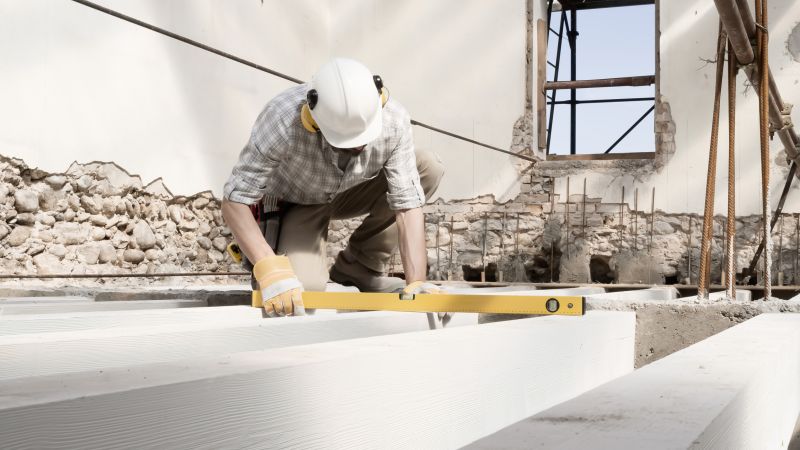
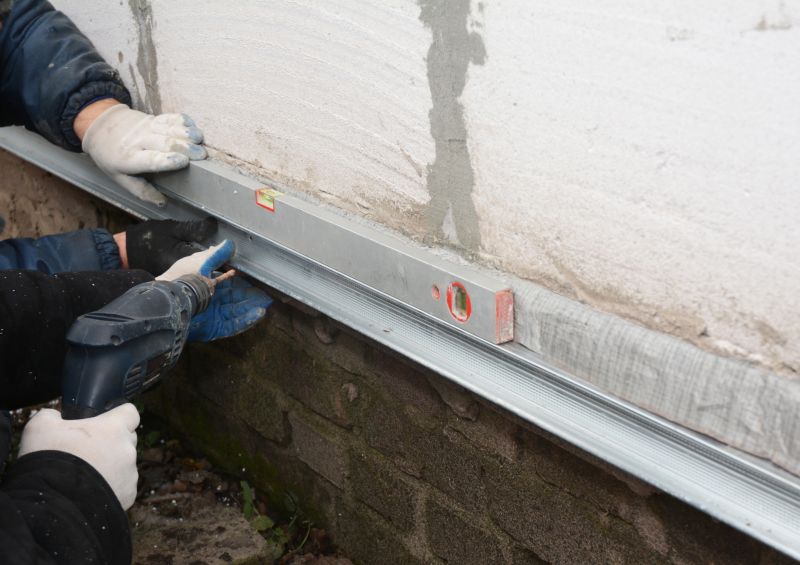
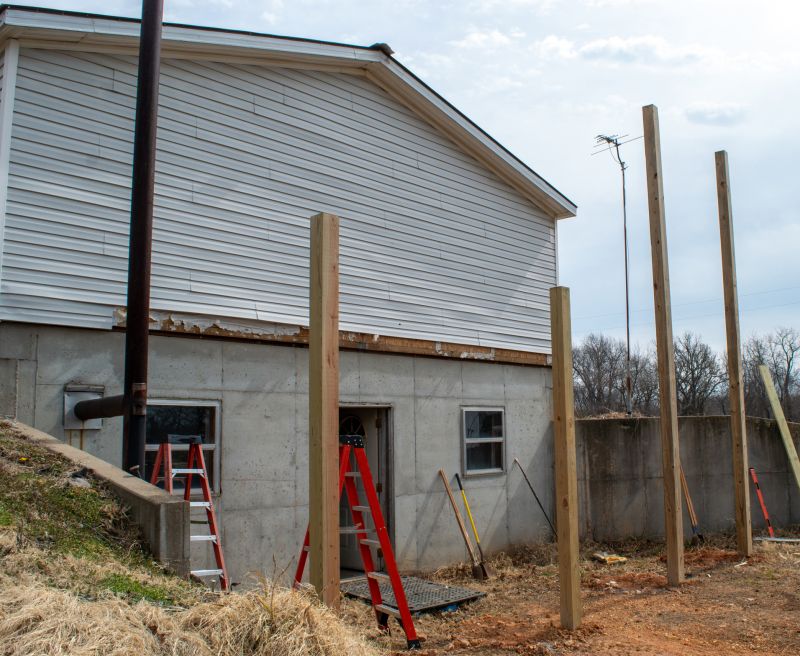
When homeowners search for information about common methods used for foundation raising and leveling, they are typically looking to understand how professionals can address issues related to uneven or settling foundations. These problems often manifest as cracks in walls, sticking doors or windows, or uneven floors, which can affect the safety and stability of a property. Many property owners planning renovations or repairs seek to learn about the different techniques used by local contractors to lift and stabilize foundations, aiming to find solutions that restore the structural integrity of their homes. Understanding these methods helps homeowners make informed decisions about the best approach for their specific property and situation.
Foundation raising and leveling are related to a variety of property plans, including repairs after shifting soil, addressing damage caused by moisture or poor drainage, or preparing a property for resale. These projects are common in areas with expansive clay soils, frequent droughts, or heavy rainfall, where soil movement can cause the foundation to settle or shift. Properties affected by these issues often experience uneven floors, misaligned doors, or visible cracks, prompting homeowners to seek professional help. Local service providers specializing in foundation work typically evaluate the extent of the settlement and recommend the most suitable method to restore levelness and stability, ensuring the property remains safe and functional.
The types of properties that typically come up for foundation raising and leveling include residential homes, especially those with basements or crawl spaces, as well as small commercial buildings. Older homes are often more susceptible to foundation issues due to age and soil conditions, but newer constructions can also experience settlement if not properly supported or if soil conditions change unexpectedly. The size and construction type of the property influence the choice of method, with some projects requiring minimal adjustments and others needing significant lifting or underpinning. Local contractors are experienced in handling a wide range of property types, applying appropriate techniques to ensure the foundation is properly supported and leveled.
Common methods used for foundation raising and leveling include hydraulic jacking, underpinning, and mudjacking or slabjacking. Hydraulic jacking involves using hydraulic equipment to lift the foundation gradually and safely, often combined with underpinning to reinforce the structure’s support system. Underpinning entails installing additional support elements beneath the foundation, such as piers or piles, to stabilize and lift the structure. Mudjacking or slabjacking involves pumping a mixture of grout or foam beneath concrete slabs to lift and level them without extensive excavation. These techniques are performed by local service providers with expertise in foundation work, helping property owners correct unevenness and prevent further damage.
Foundation repair projects often involve similar skills and tools used in raising and leveling foundations, requiring expertise in soil assessment and structural stabilization.
Concrete underpinning services share techniques such as lifting and stabilizing structures, making them relevant for foundation raising and leveling tasks.
Basement or crawl space leveling projects utilize similar planning and equipment to correct uneven floors and foundation issues effectively.
Soil stabilization and compaction projects involve assessments and methods that are directly applicable to preparing sites for foundation raising or leveling work.
Pier and beam foundation repairs often require lifting and leveling techniques comparable to those used in foundation raising services for concrete slabs.
Retaining wall construction and repair projects involve soil support and stabilization skills that complement foundation leveling and raising methods.
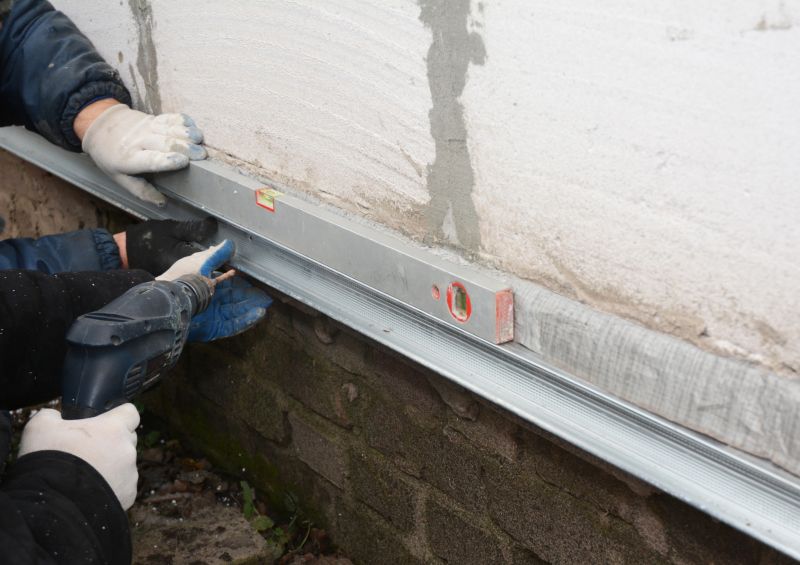
When evaluating service providers for foundation raising and leveling, it is important to consider their experience with similar projects. Homeowners should inquire about the types of foundation issues they have addressed and the methods they have successfully used. A contractor with a proven track record in handling comparable foundation concerns is more likely to understand the complexities involved and recommend appropriate solutions. Reviewing portfolios or project histories can provide insight into their familiarity with common methods used for foundation raising and leveling, helping to ensure that the chosen contractor has relevant hands-on experience.
Clear, written expectations are essential when comparing local contractors for foundation work. Homeowners should seek detailed proposals that outline the scope of work, the methods to be employed, and the materials involved. This transparency helps prevent misunderstandings and ensures that both parties have aligned expectations. A well-documented plan also serves as a reference point throughout the project, making it easier to address any questions or concerns that may arise. When comparing service providers, look for those who provide comprehensive, easy-to-understand documentation about their approach to foundation raising and leveling.
Reputable references and effective communication are key factors in selecting a reliable contractor. Homeowners should ask for references from previous clients who had similar foundation issues and confirm their satisfaction with the work performed. Good communication involves timely responses to inquiries, clear explanations of the methods used, and a willingness to answer questions about the foundation raising and leveling process. Service providers who demonstrate transparency and responsiveness are often better equipped to manage expectations and ensure a smoother project experience. Considering these aspects can help homeowners identify local pros who are knowledgeable, dependable, and capable of delivering quality foundation services.
Property owners often search for common methods used for foundation raising and leveling when they are planning practical projects around their homes and businesses. Local pros provide Foundation Raising and Leveling services for everyday jobs and straightforward project options.
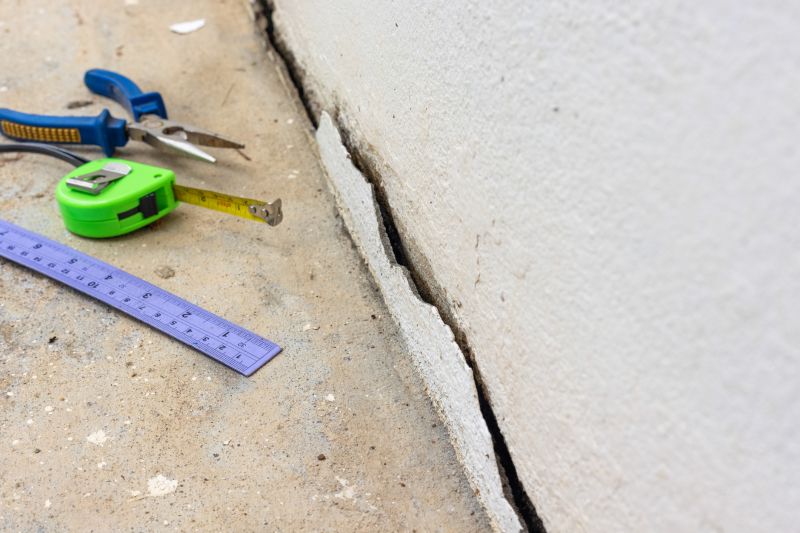
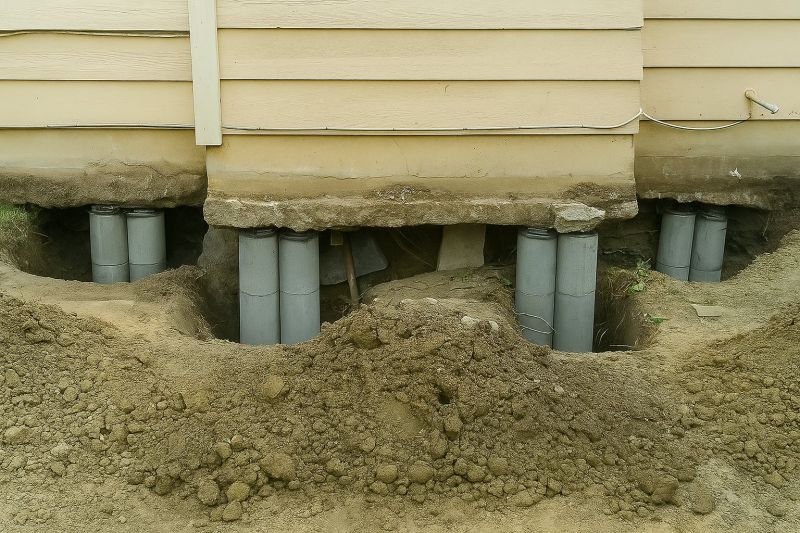
When property owners notice signs of foundation issues such as uneven floors, cracks in walls, or sticking doors, they often look into common methods used for foundation raising and leveling. These methods typically involve techniques like mudjacking or slabjacking, where a mixture of materials is pumped beneath the slab to lift and stabilize it. Alternatively, some may consider pier and beam systems, which use supports that can be adjusted to restore proper elevation. Local contractors experienced in foundation services can assess the specific situation and recommend the most suitable approach to address uneven foundations effectively.
Understanding the various techniques used for foundation raising and leveling helps property owners make informed decisions about repairs. For instance, foundation underpinning involves installing additional support beneath the structure, while foam jacking uses polyurethane foam to lift and stabilize concrete slabs. These methods are designed to provide a stable and level foundation, which is essential for the safety and longevity of a building. Connecting with local service providers who specialize in foundation work ensures that property owners receive professional guidance tailored to their home's needs and can help restore stability with proven methods.
What are common methods used for foundation raising and leveling? Common methods include underpinning, mudjacking, and pier and beam adjustments, which local contractors can perform based on the foundation's condition.
How does underpinning work for foundation raising? Underpinning involves strengthening the existing foundation by installing additional support below it, often using piers or piles, which local service providers can customize for each situation.
What is mudjacking, and when is it used? Mudjacking is a technique that lifts and levels a settled foundation by pumping a slurry mixture beneath it, typically performed by local pros to stabilize uneven slabs.
Are pier and beam adjustments effective for foundation leveling? Yes, pier and beam adjustments involve installing or adjusting supports beneath the structure to correct unevenness, handled by local contractors experienced in foundation work.
Can local foundation raising and leveling methods be combined? Yes, depending on the foundation's condition, local service providers may combine techniques like underpinning and mudjacking to achieve proper leveling and support.
- property owners can consider this method to lift and level a sunken foundation by injecting a slurry beneath the slab, which local contractors can perform with specialized equipment.
- using piers to stabilize and raise uneven foundations is a practical approach that local service providers can install beneath the structure for improved support.
- this technique involves raising a concrete slab by pumping a grout mixture underneath, making it suitable for leveling uneven floors or patios with help from local experts.
- property owners can reinforce and lift foundations by adding support beneath the existing structure, a method that local contractors can implement to address significant settling issues.
If you are thinking about common methods used for foundation raising and leveling for a property, this guide is meant to help you understand this topic, the typical project types, and how different options might fit your plans.
When you are ready, you can use the quote form on this page to share a few details about your project. From there, local pros can review the basics and follow up with options that match what you have in mind.